Horse Fence
We supply & install Aluminum Horse Fence & Vinyl Horse Fence
Service Included
Horse Fence Types:
Aluminum Horse fence
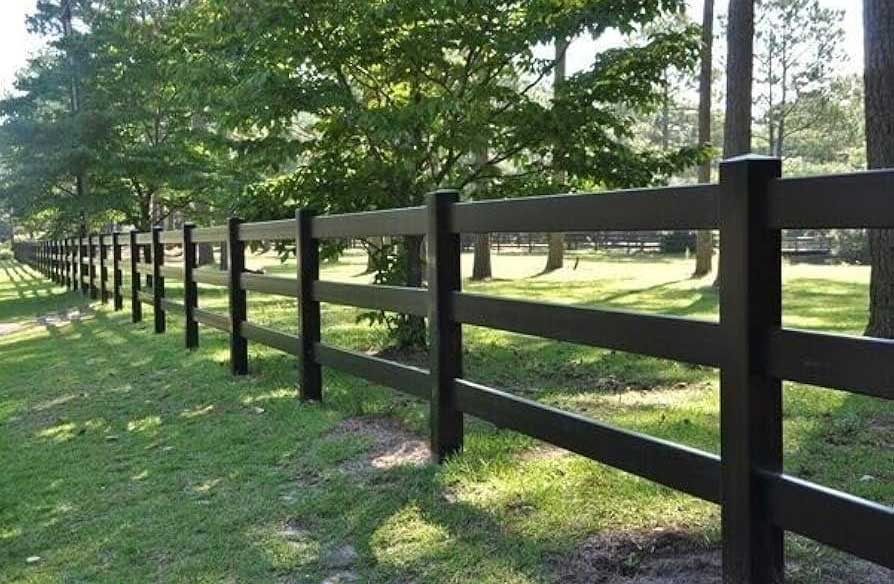
Vinyl Horse Fence
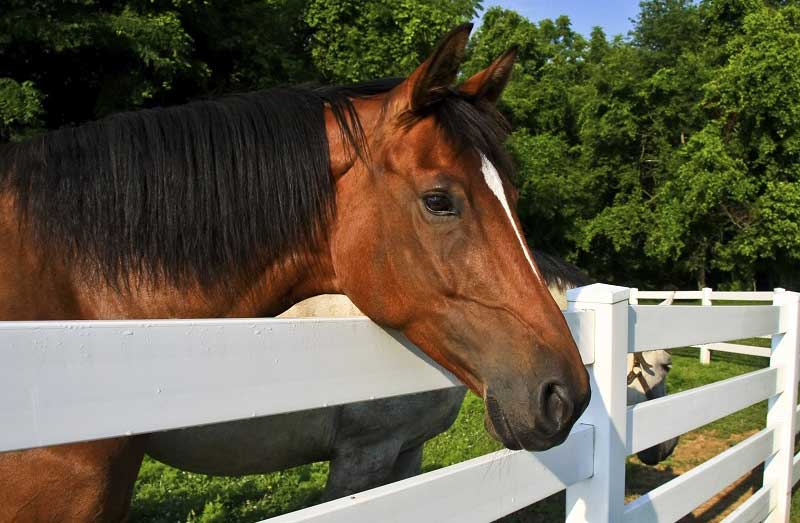
3 Rail Horse fence
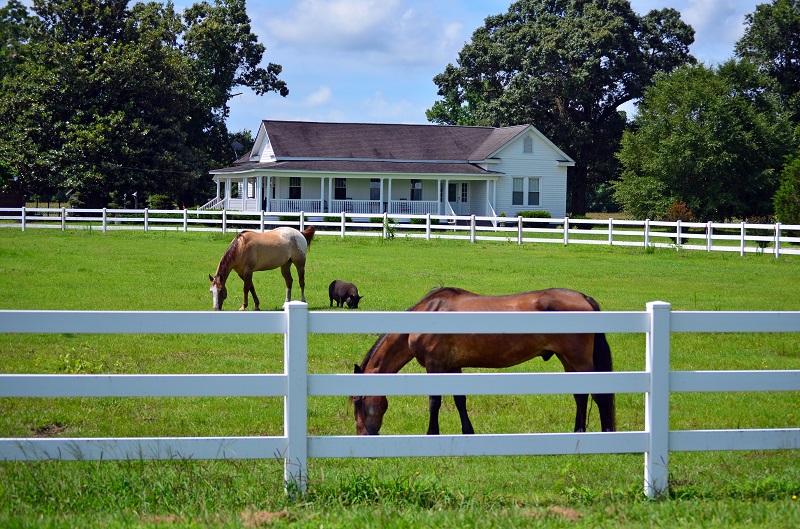
4 Rail Horse Fence
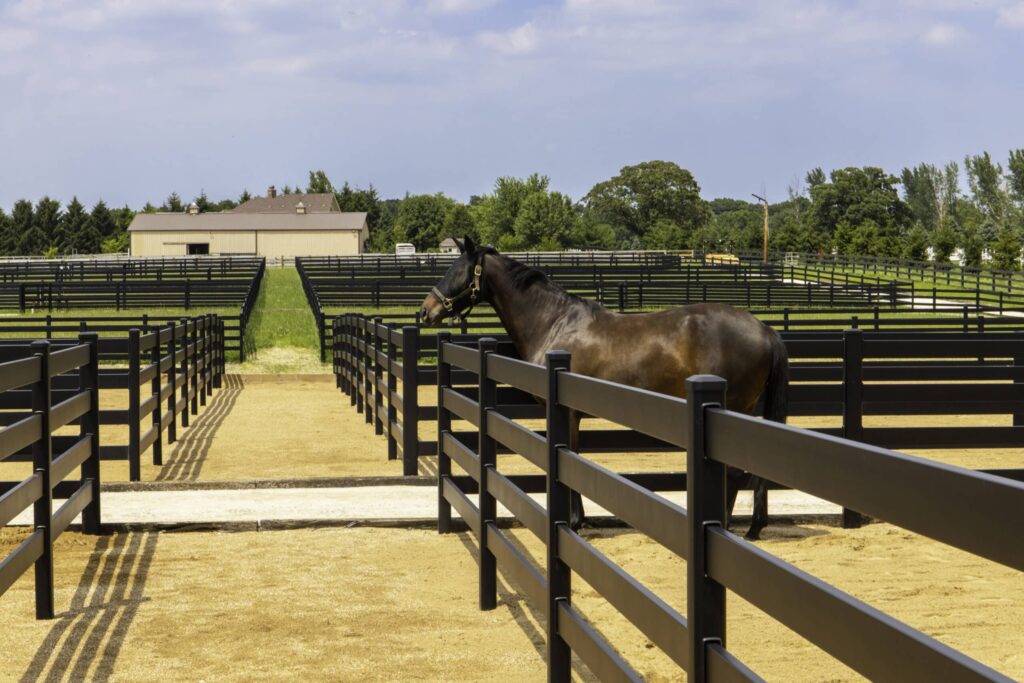
The Complete Guide to Building Safe, Durable, and Maintenance-Free Horse Enclosures
Horse Fence is the foundation of every secure, organized, and professional horse property. From small hobby farms to large boarding facilities, the right fencing system protects horses, enhances property value, and creates a polished appearance that lasts for decades. Because horses are powerful and sensitive animals, fencing must combine strength, visibility, and flexibility while remaining safe under pressure.
Property owners across Canada demand fencing that withstands harsh winters, fluctuating temperatures, and heavy snowfall. Therefore, selecting the correct material and installation method becomes critical. At Horse Fence Canada, professional crews install fencing throughout the Greater Toronto Area and ship premium materials nationwide, ensuring consistent quality from coast to coast.
This comprehensive guide explains every major fencing type, outlines benefits, highlights durability factors, and explores why modern systems now outperform traditional wood options.
Why Modern Horse Fencing Matters More Than Ever
Safety drives every fencing decision. Horses spook easily, lean on rails, and test boundaries. Consequently, weak or poorly designed barriers create unnecessary risks. Splintering wood, exposed nails, or unstable posts can lead to severe injuries. In contrast, engineered systems reduce hazards while maintaining structural integrity.
Moreover, today’s horse owners expect more than basic containment. They want:
Long-term durability
Minimal maintenance
Clean visual appeal
Weather resistance
Property value enhancement
Because climate conditions across Canada can shift dramatically between seasons, fencing must resist frost heave, UV exposure, moisture damage, and impact stress. For that reason, premium materials such as vinyl and aluminum continue to gain popularity.
Choosing the Right Horse Fence for Your Property
Selecting the correct Horse Fence requires evaluating terrain, horse temperament, budget, and long-term goals. While aesthetics influence decisions, functionality should always come first.
First, assess the number of horses and their behavior patterns. Energetic young horses often test barriers, whereas mature horses typically respect visible rails. Next, evaluate soil composition. Sandy soil requires deeper post setting, while clay-heavy soil may demand specialized anchoring.
Additionally, consider layout design. Straight runs cost less; however, custom paddock divisions improve grazing management. As a result, strategic planning increases both safety and efficiency.
Finally, balance upfront investment with lifetime cost. Although some materials appear cheaper initially, ongoing repairs and repainting often increase long-term expenses. Therefore, durable and maintenance-free systems typically offer better value.
Vinyl Rail Systems: Clean Appearance with Exceptional Longevity
Vinyl fencing has transformed horse properties across Canada. Unlike traditional wood, vinyl does not rot, warp, crack, or splinter. Consequently, horses remain safer, and owners avoid constant upkeep.
Structural Composition
Manufacturers create high-grade vinyl fencing using reinforced PVC with internal support channels. Many systems include galvanized steel inserts inside rails, which significantly increase impact resistance. Because of this internal reinforcement, vinyl rails withstand leaning pressure and sudden force.
3-Rail and 4-Rail Configurations
Property owners typically choose between:
3-Rail Systems
Ideal for standard paddocks
Cost-effective solution
Provides clear visibility
Suitable for well-trained horses
4-Rail Systems
Offers added containment security
Recommended for stallions or young horses
Creates a more prominent perimeter look
Enhances property prestige
Both configurations maintain uniform spacing and smooth surfaces. Furthermore, manufacturers design rails with rounded edges to prevent cuts or abrasions.
Benefits of Vinyl Systems
Vinyl fencing delivers multiple advantages:
Maintenance-free surface
No painting or staining
Resistant to moisture and insects
UV-protected to prevent fading
Easy to clean with water
Additionally, vinyl remains bright and professional-looking for decades. Since color integrates throughout the material, scratches do not expose contrasting layers.
Durability in Canadian Climate
Canadian winters challenge many materials. However, engineered vinyl withstands freezing temperatures without becoming brittle when properly manufactured. Meanwhile, expansion gaps allow natural contraction and expansion during seasonal shifts.
As a result, vinyl fencing maintains structural stability year after year.
Aluminum Rail Systems: Strength with Sophisticated Style
Aluminum fencing combines industrial strength with refined design. While vinyl offers flexibility, aluminum provides rigid resilience and sleek aesthetics.
Engineering and Coating
Manufacturers fabricate aluminum rails using powder-coated finishes that resist corrosion. Unlike steel, aluminum does not rust. Therefore, it performs exceptionally well in humid or snowy conditions.
3-Rail and 4-Rail Aluminum Designs
Similar to vinyl, aluminum fencing comes in both three and four rail options:
Three Rail Aluminum
Balanced cost and security
Elegant appearance
Works well for large acreage
Four Rail Aluminum
Enhanced boundary definition
Ideal for high-value horse estates
Increased vertical presence
Strong deterrent for pushing
Because aluminum maintains rigid form, it excels in high-impact areas such as entrance perimeters or training rings.
Key Advantages
Extremely durable
Resistant to rust and corrosion
Virtually maintenance-free
Lightweight yet strong
Long lifespan exceeding decades
Moreover, powder coating prevents peeling or flaking. Owners simply rinse dirt away periodically to maintain a pristine look.
Comparing Vinyl and Aluminum: Which Performs Better?
Both materials outperform wood in maintenance and longevity. However, specific applications may favor one over the other.
Flexibility vs Rigidity
Vinyl offers slight flexibility, which absorbs impact effectively. Aluminum remains rigid, providing strong boundary definition.
Visual Preference
Vinyl creates a classic farm appearance. Aluminum delivers a refined estate aesthetic.
Climate Performance
Both resist Canadian weather; however, aluminum performs exceptionally in areas with extreme temperature variation.
Ultimately, personal preference, horse temperament, and budget determine the ideal choice.
The Installation Process: Precision Creates Performance
Proper installation ensures long-term durability. Even the highest quality material fails if installed incorrectly. Therefore, experienced crews follow strict procedures.
Step 1: Property Assessment
Installers measure boundaries, evaluate soil depth, and plan gate placements. Strategic layout reduces stress points and ensures efficient horse movement.
Step 2: Post Setting
Crews dig post holes below frost line to prevent shifting. Concrete footings stabilize structural components. Consequently, fencing resists frost heave during winter.
Step 3: Rail Placement
Professionals secure rails with manufacturer-approved hardware. Alignment remains consistent, ensuring visual symmetry and structural balance.
Step 4: Final Inspection
Installers check spacing, gate alignment, and post integrity before project completion.
Because precision matters, professional installation significantly increases lifespan.
Safety Features Every Horse Property Needs
Horses rely on clear visual barriers. Therefore, rail fencing works better than wire alone. Wide rails help horses perceive boundaries, reducing collision risks.
Additionally, smooth finishes eliminate splinters and sharp edges. Rounded post caps further reduce injury potential.
Gate systems should include secure latches that horses cannot manipulate. Meanwhile, reinforced hinge systems prevent sagging over time.
By integrating these features, owners protect both animals and property investment.
Maintenance-Free Living: Saving Time and Money
Traditional wood fencing demands constant upkeep. Owners repaint surfaces, replace damaged boards, and address rot regularly. In contrast, modern systems require minimal attention.
Vinyl and aluminum fencing eliminate:
Annual staining
Frequent board replacement
Rust treatment
Termite control
Consequently, property owners reclaim valuable time. Over decades, maintenance savings often exceed initial installation costs.
Long-Term Durability and Investment Value
Durability defines true value. While upfront pricing matters, lifespan determines overall return on investment.
High-quality systems typically last 20–30 years or more with minimal intervention. Because materials resist environmental damage, structural integrity remains intact.
Moreover, professional fencing enhances property appeal. Buyers recognize secure and aesthetically pleasing boundaries as premium features. Therefore, installing a high-quality system increases resale value.
Customization Options for Unique Horse Properties
Every horse property differs. For that reason, customization plays a key role.
Owners may select:
Decorative post caps
Custom gate widths
Integrated electric strands
Matching entry systems
Branded signage
Additionally, mixed-material designs combine vinyl and aluminum for visual contrast. These tailored solutions reflect both functionality and personal style.
Why Professional Supply and Installation Matters
Reliable suppliers ensure consistent material quality. At Horse Fence Canada, trained installers handle projects from design through completion in the Greater Toronto Area, while shipping materials across Canada for clients who manage independent installations.
Professional expertise guarantees:
Accurate measurements
Secure anchoring
Proper spacing
Clean finishing
Compliance with property regulations
Because experience reduces costly mistakes, working with specialists protects your investment.
Environmental Considerations and Sustainability
Modern fencing materials often include recyclable components. Aluminum remains fully recyclable without performance loss. Additionally, high-grade vinyl can be repurposed through specialized programs.
Unlike treated wood, these systems do not leach chemicals into soil. Consequently, grazing areas remain healthier for horses and surrounding ecosystems.
Planning for Expansion and Future Growth
Many horse operations expand over time. Therefore, selecting modular fencing allows easy additions.
Three-rail paddocks can convert to four-rail designs. Gate openings can widen to accommodate equipment. Because systems maintain uniform design, expansion blends seamlessly with existing structures.
Forward-thinking planning prevents costly redesign later.
Common Mistakes to Avoid
Even well-intentioned buyers sometimes overlook key factors.
Choosing price over durability
Ignoring frost depth requirements
Selecting inadequate rail height
Skipping professional installation
Failing to plan gate placement
Avoiding these errors ensures long-term success.
Weather Resistance: Built for Canadian Extremes
Canadian climates range from humid summers to freezing winters. Therefore, materials must endure constant environmental stress.
Vinyl resists moisture absorption. Aluminum resists corrosion. Reinforced posts withstand wind loads. Because systems anchor below frost line, ground movement rarely disrupts alignment.
As a result, properties maintain clean lines and secure boundaries year after year.
Aesthetic Impact on Horse Properties
Visual presentation matters. Crisp white vinyl conveys classic charm. Sleek black aluminum communicates upscale sophistication.
Moreover, consistent rail alignment creates symmetry across acreage. Visitors immediately notice professional fencing. Consequently, boarding facilities attract higher-end clientele.
Enhancing Safety with Integrated Electric Options
Some owners incorporate electric strands along interior rails. This approach discourages leaning and chewing. Additionally, it prolongs structural integrity.
When installed correctly, low-voltage systems provide gentle correction without harm. Therefore, combining rail fencing with electric lines offers added control.
Understanding Cost Factors
Several elements influence project pricing:
Material choice
Rail configuration
Property size
Soil conditions
Gate quantity
Installation complexity
Although initial investment may appear substantial, maintenance-free materials reduce lifetime costs significantly.
Final Thoughts on Building a Secure and Lasting Boundary
Investing in the right fencing system protects horses, enhances property value, and reduces long-term maintenance. Because durability and safety remain top priorities, modern vinyl and aluminum options outperform outdated wood structures.
Thoughtful planning, professional installation, and high-quality materials ensure decades of reliable performance. Whether enclosing small paddocks or expansive estates, selecting the appropriate system transforms any horse property into a secure, elegant environment built to last.
By choosing experienced professionals who understand Canadian climate demands and horse safety standards, property owners secure peace of mind along with a visually striking perimeter that stands strong for generations.
Looking for composite fence? Click here